When entering the realm of high-end Japanese cutlery, enthusiasts and professional chefs inevitably encounter two traditional construction methods: Honyaki (本焼) and Kasumi / Awase (合わせ).
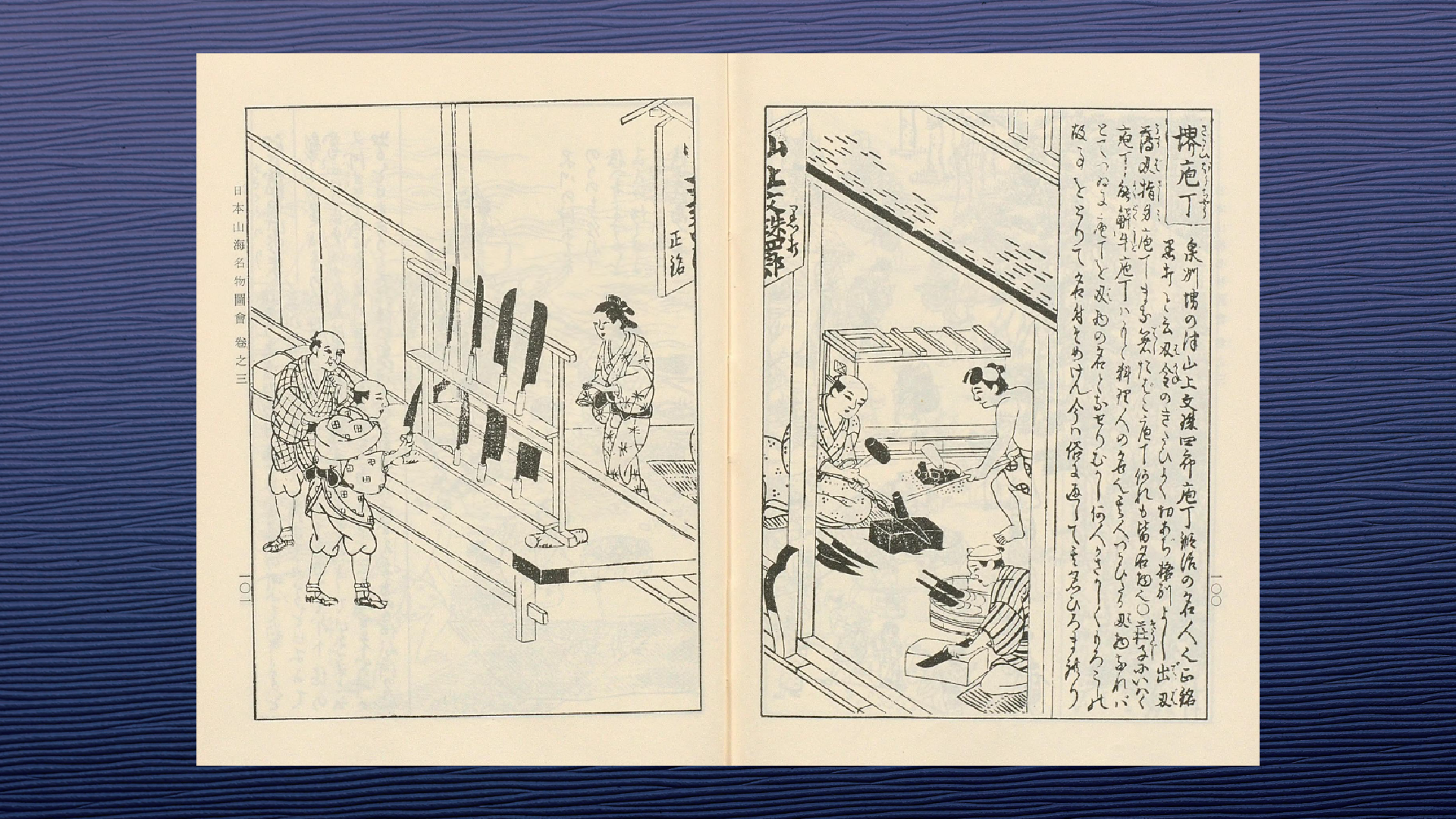
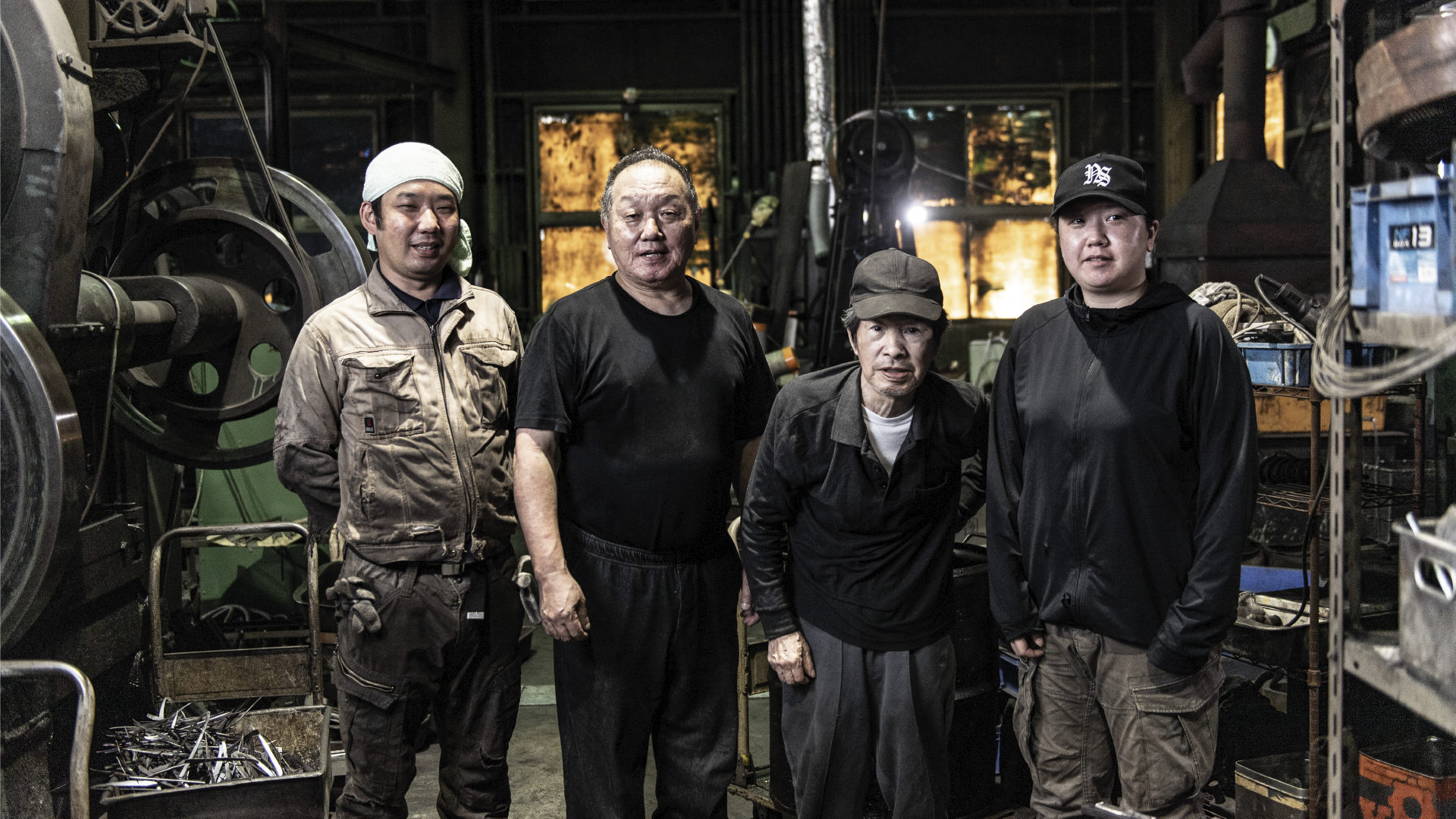
Both styles represent centuries of Sakai forging traditions, yet they offer fundamentally different experiences in performance, maintenance, and aesthetics. As a certified Master Craftsman with over 50 years of forging experience in Sakai, Japan, Shogo Yamatsuka crafts both styles to perfection.
In this guide, we break down the structural differences, pros and cons of each method, and help you decide which masterpiece belongs in your collection.
What is Honyaki (本焼)? The Pure Single-Structure Blade
Honyaki translates directly to "true forge." Unlike most Japanese knives, which combine soft iron and hard steel, a Honyaki blade is forged from a single piece of high-carbon steel—much like a traditional Japanese sword (Katana).
The Forging Process
Forging a Honyaki knife is considered the ultimate test of a blacksmith’s skill. Because the blade is made entirely of hard steel, differential heat treatment is required. Clay is applied to the spine of the blade before quenching, allowing the edge to become extremely hard while the spine remains slightly flexible.
Key Features of Honyaki
-
Unrivaled Edge Retention: Reaches maximum hardness (HRC 63+), staying razor-sharp far longer than composite blades.
-
Distinguished Hamon Line: The differential cooling creates a beautiful, wavy temper line (Hamon) along the blade.
-
Exquisite Balance & Stiffness: Delivers a rigid, precise cutting feel favored by high-end sushi master chefs.
-
Extreme Rarity: Due to the ultra-high failure rate during quenching, Honyaki blades are rare, labor-intensive, and highly sought-after.
What is Kasumi / Awase (合わせ)? The Clad Dual-Structure Blade
Kasumi (meaning "mist") or Awase (meaning "joined") is the most iconic construction method in traditional Japanese knifemaking. It involves forge-welding layering: a core of hard steel (Hagane) is clad with a layer of softer iron or stainless steel (Jigane).
The Forging Process
Master Yamatsuka hammers the core steel and soft cladding together at white-hot temperatures. The soft outer layer protects the hard inner core, while creating a distinct two-tone finish when polished—a misty, soft iron upper section paired with a shiny steel edge.
Key Features of Kasumi / Awase
-
Superior Durability & Shock Resistance: The soft cladding absorbs shock, making the blade much less prone to chipping compared to mono-steel Honyaki.
-
Easier to Sharpen: Because only the thin steel core is ultra-hard, removing metal on a whetstone requires less effort and time.
-
Versatile Performance: Ideal for fast-paced kitchen environments where speed, durability, and easy maintenance are paramount.
-
Stunning Aesthetic Options: Allows for intricate cladding designs, such as Nickel Damascus finishes.
Side-by-Side Comparison: Honyaki vs. Kasumi
| Feature | Honyaki (本焼) | Kasumi / Awase (合わせ) |
| Construction | Single solid piece of steel | Hard steel core clad with soft metal |
| Edge Retention | Exceptional (Maximum hardness) | Excellent |
| Toughness / Chipping Resistance | Rigid / Requires delicate care | High / Shock-absorbent |
| Ease of Sharpening | Demands advanced sharpening skills | Highly approachable on whetstones |
| Visual Hallmark | Natural Hamon (temper line) | Soft misty finish or Damascus pattern |
| Ideal User | Collectors, Master Sushi Chefs | Executive Chefs, Line Cooks, Enthusiasts |
Master Yamatsuka’s Approach: Why Hand-Forging Matters Most
Whether crafting a mono-steel Honyaki or a clad Kasumi blade, Master Shogo Yamatsuka relies on 100% traditional hand-forging (Hizukuri).
Particularly with Ginsan Steel (Silver 3), Master Yamatsuka applies 2 to 3 extra cycles of heating and hammering. This intense labor refines the steel's grain structure at a microscopic level.
-
In Honyaki, this extra forging eliminates internal stress and prevents micro-fractures during quenching.
-
In Kasumi, it creates an unbreakable forge-weld bond between the Ginsan core and the soft stainless cladding.
Which Should You Choose?
Choose Honyaki if:
-
You are a collector or master chef seeking the pinnacle of traditional Japanese blacksmithing.
-
You prioritize absolute maximum edge sharpness and edge retention above all else.
-
You possess advanced whetstone sharpening skills and precise cutting technique.
Choose Kasumi / Awase if:
-
You need a reliable, high-performance workhorse for daily kitchen operations.
-
You want the benefits of high-carbon steel performance with added shock resistance and easier maintenance.
-
You appreciate the striking visual appeal of Nickel Damascus or traditional clad aesthetics.
Explore Master Yamatsuka’s Hand-Forged Collection
Experience the art of 50 years of Sakai craftsmanship. Whether you seek the pure rigidity of Honyaki or the balanced versatility of Ginsan Kasumi, each knife is individually forged, shaped, and inspected by Master Shogo Yamatsuka.