“I’d like a knife that feels better to cut with. But will I keep using it if the care is difficult?”
You may have asked yourself something similar when choosing a kitchen knife.
A knife’s sharpness when new is only part of the picture. Daily care and restoring the edge when it becomes dull also matter.
Ginsan steel is one material worth considering with both in mind. It is also one of the steels Shogo Yamatsuka has worked with in his knife-making.
What is Ginsan? A rust-resistant stainless steel
Ginsan, also known as Ginsan-ko or Gingami No. 3, is a steel used for knife blades. The name describes the material, not the knife’s shape or size.
It belongs to the stainless steel family, known for its resistance to rust.
Japanese knife shops sometimes distinguish between “hagane”, referring to rust-prone steels such as Shirogami and Aogami, and stainless steel. Although the Japanese name Ginsan-ko includes the word for steel, Ginsan belongs to the stainless category.
Its appeal lies in the ability to take a sharp edge while offering resistance to rust. This makes it an option for people who want a sharp knife they can use every day.
Three useful qualities for everyday cooking
The potential for a sharp, clean-cutting edge
Perhaps your knife slips across a tomato’s skin, or leaves spring onion slices joined together at the bottom. These are familiar frustrations in the kitchen.
Ginsan can be finished with a sharp edge. But the material’s name alone does not determine how well a knife cuts. The blade’s shape and thickness, its finishing and the care it receives all affect how it feels in use.
Alongside the steel, consider who made the knife and how it was finished.
Rust resistance that helps with daily care
During cooking, moisture and salt from food can remain on a blade. Ginsan’s resistance to rust is useful in these everyday conditions.
However, rust-resistant knives still need care. Leaving food residue or moisture on the blade can cause rust.
Wash the knife after use and dry it thoroughly. Keeping up these simple habits is part of caring for a Ginsan knife.
An edge you can restore through resharpening
A knife’s edge gradually wears down with use, making cutting more difficult. Resharpening means removing a little metal and reshaping the edge to restore its sharpness.
Ginsan is known for being relatively easy to sharpen among stainless steels. That is useful if you want to maintain a knife rather than stop using it when its edge becomes dull.
Relatively easy to sharpen does not mean effortless for a first-time user. The right method depends on how the blade’s edge is made. If you are unfamiliar with sharpening, ask the retailer or a sharpening specialist for advice.
Shogo Yamatsuka’s work: turning steel into a knife
A craftsperson’s work brings the qualities of a material into a tool you can use.
Shogo Yamatsuka makes knives in Sakai, Osaka, and is a certified Traditional Craftsman. This Japanese certification recognises craftspeople skilled in traditional techniques.
His work as a blacksmith includes forging, which means heating and hammering metal into shape, and heat treatment, which uses heating and cooling to develop properties such as the hardness needed for a blade.
Sakai City’s introduction to local crafts (in Japanese) describes how Yamatsuka Hamono has developed its own manufacturing methods and incorporated machinery while working to bring out Ginsan’s qualities.
Passing on traditional skills while adapting the process to the material: these continuing efforts are part of Yamatsuka’s knife-making.
A knife also goes through stages such as edge grinding and sharpening before it is ready to use. Looking at both the steel and the people who finish it helps you understand the work behind a knife.
Who might consider a Ginsan knife?
A Ginsan knife may suit you if you want to:
- Enjoy a sharp knife for everyday food preparation.
- Choose a well-made knife while also considering resistance to rust.
- Keep using one knife over time, maintaining its edge through resharpening.
Ginsan is not reserved for professional kitchens. Home cooks can also consider it when weighing sharpness and ease of care.
Alongside the steel, think about the food you usually prepare and the blade length you find comfortable. Knives made from the same material can suit different tasks and feel different in use because of their shape and size.
Explore Yamatsuka’s Ginsan knives
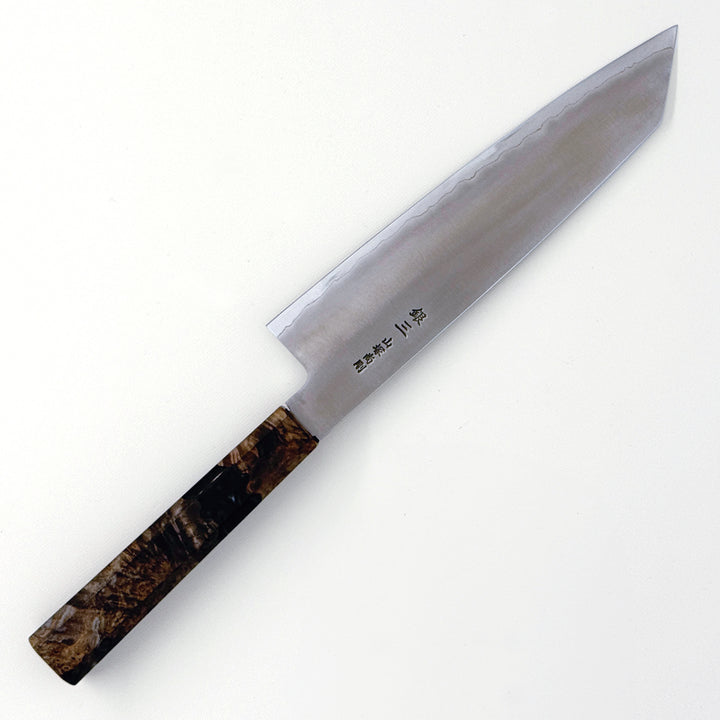
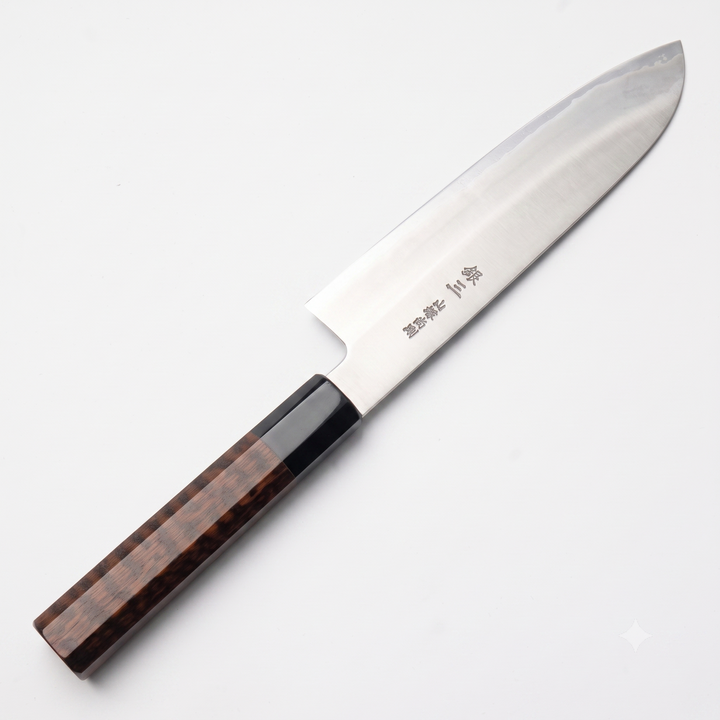
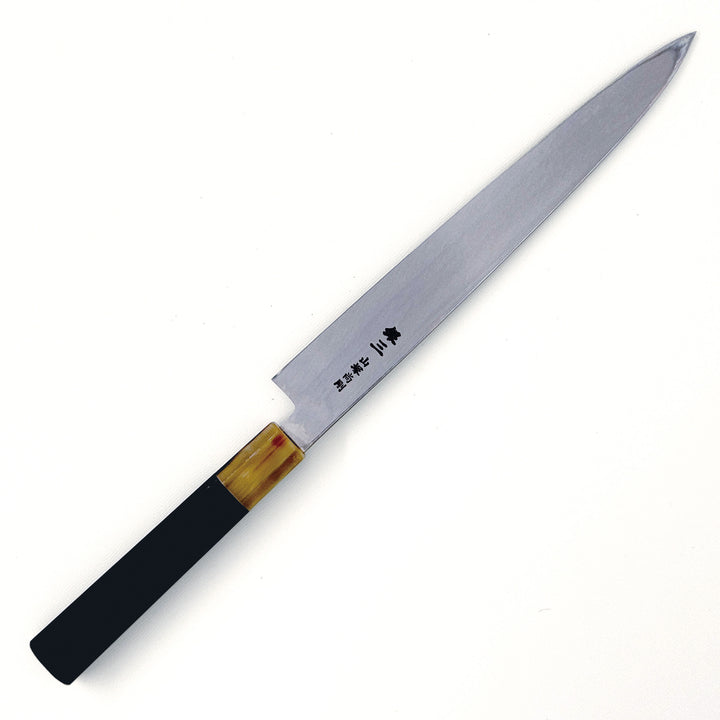
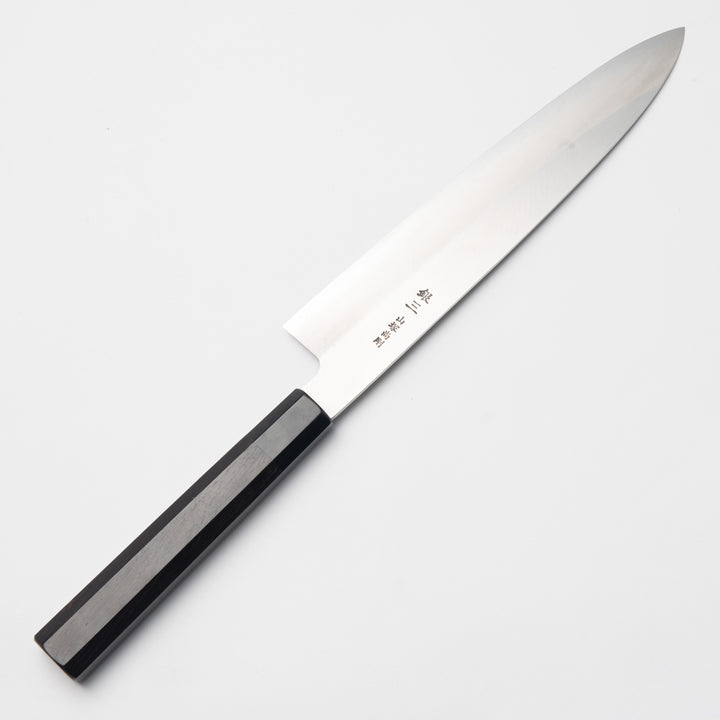
At Yamatsuka, we offer Ginsan steel knives made with Shogo Yamatsuka’s craftsmanship.
Whether you are looking for an everyday knife or adding one for a particular task, start by comparing shapes and sizes in the collection.
Explore Yamatsuka’s Ginsan knives
If you would like help choosing, please contact us. Telling us what you usually cook and which knife you currently use will help us guide you.