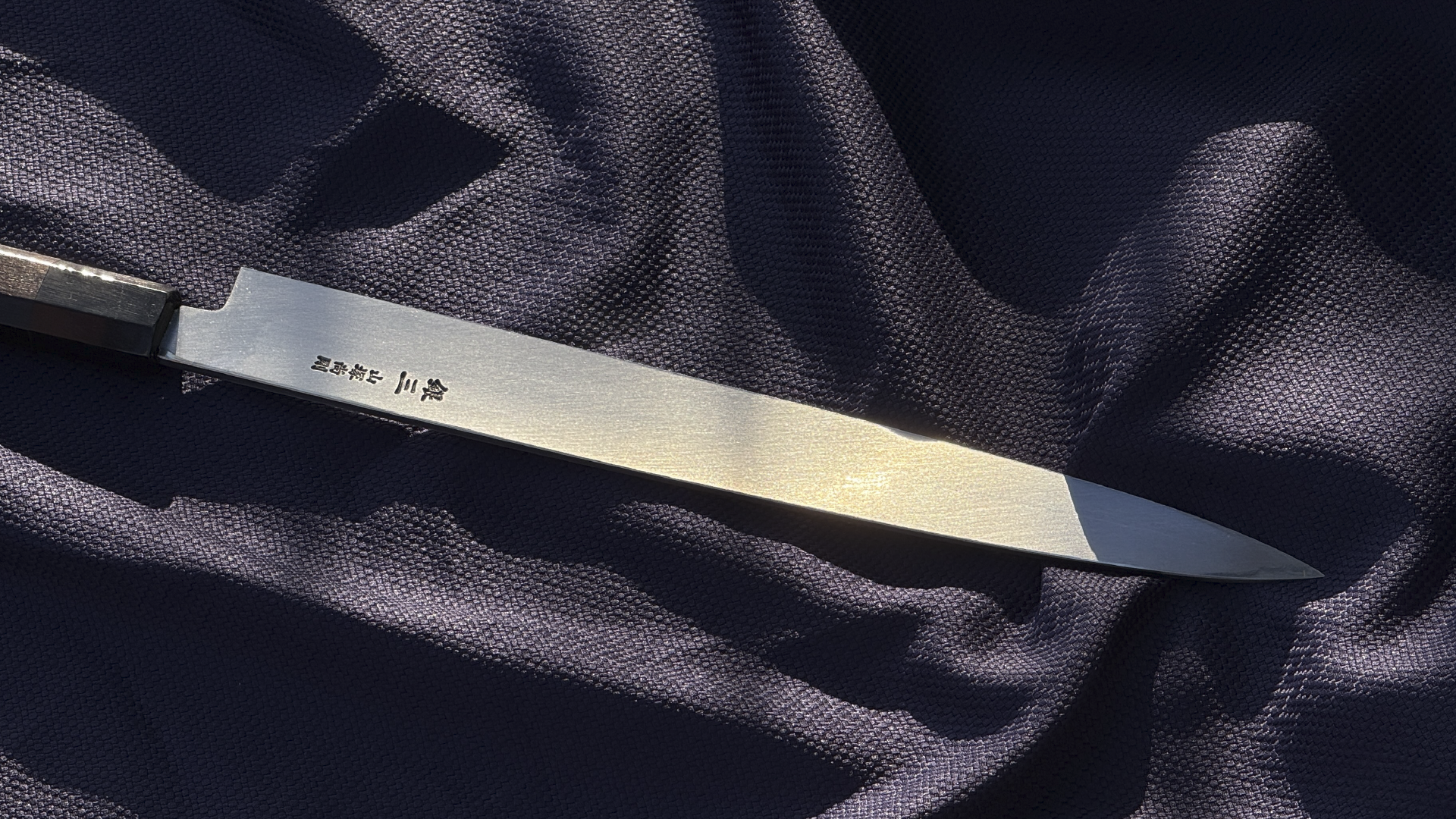
A common question among chefs and collectors worldwide is, "Why does a Sakai knife have both a brand name and a blacksmith's name?" or "Why doesn't a single craftsman make the entire knife from start to finish?"
The answer lies in Sakai’s unique Division of Labor System, refined over 600 years of history.
1. The 5th Century: Construction of Ancient Tombs and the Gathering of Blacksmiths
Sakai’s metalworking origins date back to the 5th century. To construct the Daisen Kofun (Emperor Nintoku’s tomb), one of the largest tombs in the world, highly skilled metalworkers from across Japan were gathered in Sakai, establishing a permanent craftsmanship hub.
2. The 16th Century: Matchlock Guns and the Birth of Mass-Production Division of Labor
When firearms were introduced to Japan in 1543, Sakai quickly became the nation’s primary gun-manufacturing center due to its thriving trade port. To produce complex matchlock guns efficiently, Sakai established a specialized division of labor: barrel-forging blacksmiths, lock-mechanism blacksmiths, and woodwork artisans.
3. The 17th–19th Centuries: Peace and the Shift to "Tobacco Knives"
During the peaceful Edo period (17th–19th centuries), gun demand plummeted. Gunsmiths redirected their advanced forging technology into making "tobacco knives" used for finely slicing tough tobacco leaves. Their sharpness was so extraordinary that the Tokugawa Shogunate granted Sakai an exclusive official seal of quality, known as "Sakai-Kiwame."
4. Late 19th Century: The Sword Ban and the Evolution into Culinary Masterpieces
When samurai swords were banned in 1876, master sword-smiths joined forces with Sakai’s existing artisans, giving birth to the modern professional kitchen knives we see today.
-
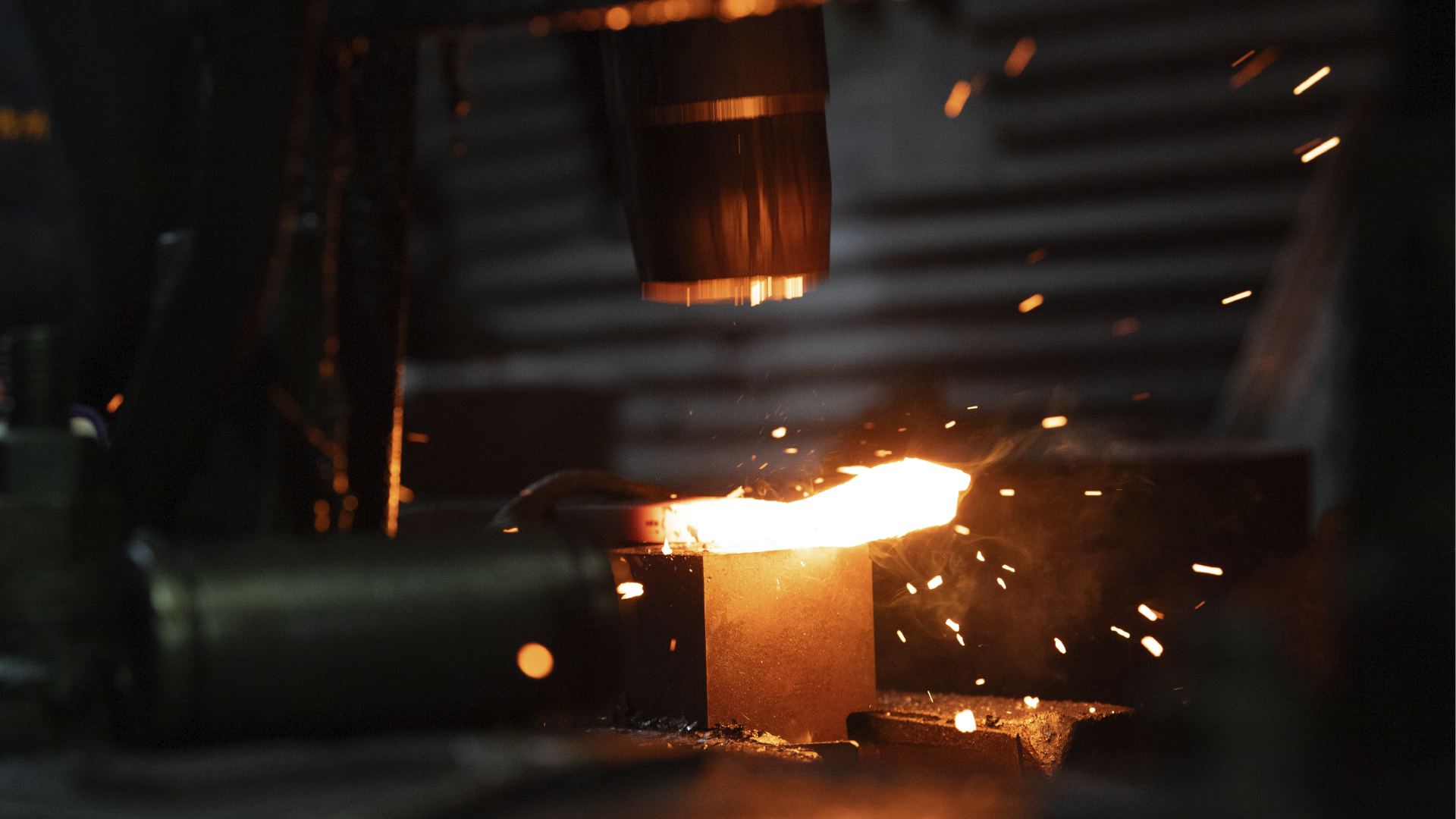
Blacksmith (Kaji): Devotes their life solely to forging, heat treatment, and hammering.
-
Sharpener (Togi): Focuses exclusively on grinding, shaping, and perfecting the razor-sharp edge.
-
Handle Maker & Distributor: Assembles the handle and conducts final quality checks.
Because each master pours 100% of their expertise into a single process, Sakai knives deliver unrivaled performance in professional kitchens worldwide.
Bringing Master Shogo Yamatsuka’s Blades Directly to You
Within this rich legacy, certified Traditional Craftsman Shogo Yamatsuka has spent over 50 years mastering the forging of Ginsan (Silver 3) and Nickel Damascus steels.
For decades, he forged top-tier blades behind the scenes for famous Sakai brands. Today, our store honors this legacy by offering Master Yamatsuka’s hand-forged blades directly to you, bearing the true signature of the master who forged them.